How Yorgo Kattan celebrates the heart of Western Australian cuisine
Enjoying the Flavors of Western Australia: a Deep Dive Into Its Culinary Traditions
Western Australia offers an unique cooking landscape noted by indigenous components and sustainable seafood. This region showcases a harmonious mix of standard and modern-day impacts. The abundant tapestry of flavors mirrors its diverse society and commitment to regional fruit and vegetables. Cooking celebrations highlight these connections, supplying a peek right into the dynamic food scene. Yet, real deepness of Western Australia's cooking customs waits for discovery, disclosing stories behind the dishes and the people who develop them.
The Rich Tapestry of Indigenous Active Ingredients
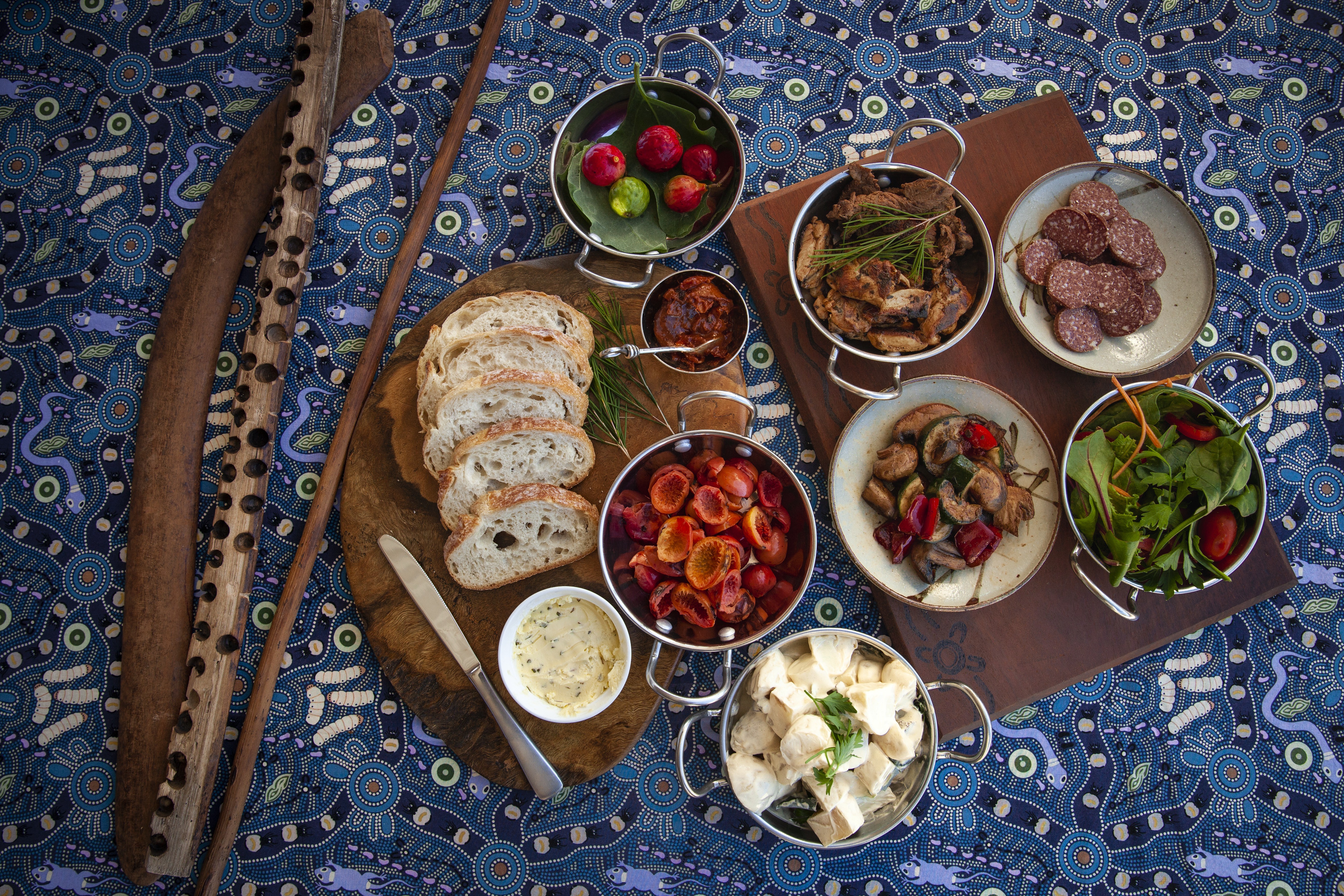
As the sun establishes over the varied landscapes of Western Australia, a rich tapestry of indigenous active ingredients revives, reflecting the deep connection in between the land and its First Nations peoples. Bush tucker, the standard food of the Aboriginal areas, showcases a variety of native plants and pets. Ingredients such as wattleseed, bush tomatoes, and finger limes offer one-of-a-kind flavors that stimulate the significance of the area. Using standard harvesting methods highlights the lasting practices that have been given with generations. These ingredients not just nourish the body yet additionally work as a cultural bridge, linking modern food with old practices. The resurgence of passion in native flavors emphasizes their relevance in shaping Western Australia's cooking identity.
Coastal Food: Fresh Fish And Shellfish Delights
While the vast coast of Western Australia gives a sensational background, it additionally functions as a plentiful source of fresh fish and shellfish that forms the region's cooking landscape. Anglers transport in a range of catches, consisting of valued types like Western rock snapper, barramundi, and lobster. The seaside communities commemorate this bounty with lively markets and seafood celebrations, showcasing dishes that highlight the quality and quality of the ocean's offerings. Local restaurants often include fish and shellfish prepared in simple yet tasty ways, emphasizing the natural taste of the components. Additionally, sustainable fishing practices are progressively prioritized, guaranteeing the conservation of marine communities. This dedication enhances the link between the land, sea, and the cooking practices that specify Western Australia.
The Influence of Multicultural Tastes
Western Australia's culinary landscape is profoundly formed by its multicultural impacts, blending Indigenous components and techniques with international culinary traditions. This fusion not only boosts the tastes of regional recipes however likewise commemorates the varied neighborhoods that contribute to the state's rich gastronomic identity. As an outcome, the eating experience in Western Australia reflects an unified combination of cultural heritage and contemporary technology.
Indigenous Active Ingredients and Strategies
A rich tapestry of flavors defines the culinary landscape of Western Australia, where indigenous ingredients and methods seamlessly link with modern impacts. Standard Indigenous practices, such as bush tucker foraging, present one-of-a-kind native ingredients like wattleseed, finger limes, and bush tomatoes. These elements add to a distinct taste account, highlighting the region's biodiversity. Techniques like slow food preparation over open fires evoke old culinary customs, improving the natural flavors of the active ingredients. The assimilation of these aboriginal methods not just protects cultural heritage however likewise enhances modern cuisine. Cooks across Western Australia are significantly welcoming these native elements, showcasing the value of aboriginal expertise in modern-day gastronomy. The cooking scene mirrors a deep respect for the land and its original custodians.
International Cooking Blend
Just how do multicultural impacts form the cooking landscape of Western Australia? The area's diverse population brings an abundant tapestry of tastes and strategies from around the world, causing a dynamic fusion cuisine. Asian, Mediterranean, and Center Eastern customs intertwine with local components, creating innovative dishes that mirror both heritage and contemporary preferences. Chefs typically experiment by instilling conventional dishes with flavors and methods from various societies, resulting in distinct interpretations of classic dishes. Neighborhood seafood, meats, and produce work as the foundation, while global tastes boost the dining experience. This culinary fusion not just commemorates Western Australia's diversity but additionally showcases the adaptability and creativity of its cooks, making the area a vibrant center for food fanatics.
Commemorating Varied Areas
While the culinary scene in Western Australia grows on regional ingredients, it is the impact of diverse neighborhoods that really enhances its tastes. Immigrants from Asia, Europe, and the Middle East have brought their cooking customs, producing a vivid tapestry of preferences. This modern impact is evident in popular recipes that mix standard recipes with local fruit and vegetables, causing special offerings such as spicy sambal and fragrant saffron-infused paellas. Food events commemorating these varied heritages showcase everything from Italian pasta to Indian curries, cultivating a feeling of community. As Western Australia remains to embrace its multicultural identity, the combination of flavors not only boosts its cuisine but also enhances social bonds amongst its citizens, producing a dynamic cooking landscape.
Exploring the Red Wine Regions of Western Australia
Western Australia is home to a number of distinguished wine regions, each offering distinctive terroirs that add to a diverse variety of unique grape selections. These regions not only produce outstanding white wines but additionally provide immersive white wine tourist experiences that attract enthusiasts from worldwide. The combination of beautiful landscapes and rich viticultural heritage makes Western Australia an impressive destination for white wine enthusiasts.
Renowned A Glass Of Wine Regions
Although typically overshadowed by worldwide equivalents, the white wine areas of Western Australia boast an one-of-a-kind terroir that creates phenomenal vintages. The Margaret River area is possibly the most popular, known for its impressive Cabernet Sauvignon and Chardonnay. With a Mediterranean environment and closeness to the ocean, it offers optimal problems for grape cultivation. Better north, the Swan Valley showcases an abundant history of winemaking, including a diverse series of varietals and a dynamic food scene. The Great Southern area, the largest in the state, is recognized for its great climate white wines, specifically Riesling and Pinot Noir. Jointly, these regions add to Western Australia's credibility as a blossoming wine location, attracting aficionados and informal enthusiasts alike.
Special Grape Selections
As red wine lovers check out the areas of Western Australia, they discover a remarkable array of unique grape ranges that prosper in the neighborhood terroir. The warm climate and varied soil types add to the cultivation of grapes that are less commonly located elsewhere. Remarkable amongst these is the Vermentino, understood for its crisp level of acidity and brilliant fruit flavors, suitable for the region's fish and shellfish. Furthermore, the Grenache range embellishments in the warmer locations, generating abundant, berry-driven reds. Western Australia is likewise home to the lesser-known Fiano, which offers a wonderful fragrant profile. These grape ranges not only showcase the region's cutting-edge spirit but additionally show its commitment to producing distinct red wines that reverberate with global and regional tastes.
Red Wine Tourist Experiences
Exploring the red wine regions of Western Australia uses a charming experience for lovers keen to involve visit this site with the varied offerings of neighborhood vineyards. Prominent regions such as Margaret River and Swan Valley display not just phenomenal red wines yet also picturesque landscapes. Site visitors can enjoy directed trips, where they find out about distinct grape ranges and lasting wine making techniques. Many wineries feature cellar doors that invite samplings, permitting guests to relish regional tastes coupled with premium food. Events such as white wine events and vineyard barbecues better improve the experience, fostering links in between wine makers and travelers. As tourists traverse these well known areas, they discover the rich heritage and cutting-edge spirit that define Western Australia's prospering red wine society.
Farm-to-Table: Celebrating Regional Generate
In Western Australia, the farm-to-table motion grows as customers and cooks increasingly recognize the importance of local produce. This cooking trend stresses the direct sourcing of active ingredients from neighborhood farms, fostering a closer relationship in between manufacturers and restaurants. By highlighting seasonal fruits, veggies, and meats, cooks develop recipes that reflect the region's special flavors and biodiversity. Yorgo Kattan. Farmers' markets play a vital function, permitting consumers to get in touch with growers and understand the origins of their food. This dedication to neighborhood sourcing not just sustains the economic situation but additionally promotes sustainability and freshness. Consequently, dining experiences in Western Australia are enriched, showcasing the vibrancy of the land and commemorating the effort of regional farmers
Traditional Recipes and Their Modern Twists
While honoring its abundant culinary heritage, Western Australia has actually seen typical dishes go through interesting contemporary reinterpretations. Classic dishes such as kangaroo stew have been raised with contemporary strategies and regional ingredients, integrating aspects like indigenous bush spices and seasonal veggies. Fish and shellfish, a staple of the area, is typically showcased in ingenious methods; as an example, barramundi is currently frequently served with a tangy citrus glaze and combined with quinoa, reflecting health-conscious trends. Standard damper bread has actually likewise advanced, integrating whole grains and artisan flavors. Desserts like lamingtons are being reimagined with premium dental fillings, such as salty caramel or matcha. These modern twists not just commemorate the past however also highlight the vibrant culinary landscape of Western Australia, appealing to both visitors and citizens alike.
Culinary Occasions and Celebrations to Experience
:max_bytes(150000):strip_icc()/TAL-chef-portrait-food-dishes-WESTERNAUSTRALIA1224-64b8438a1ac2411f9c3ad2faeda11ef9.jpg)
Frequently Asked Questions
What Are the very best Restaurants to Try in Western Australia?
Some of the most effective dining establishments in Western Australia include Wildflower, Long Chim, and Nobu, each offering distinct culinary experiences that display cutting-edge tastes and neighborhood ingredients, making them must-visit destinations for food fanatics.
Exactly How Can I Join a Neighborhood Food Preparation Class?
To this hyperlink participate in a regional food preparation class, one can browse online for culinary institutions or recreation center in the area, check social media for neighborhood cooks using classes, or browse through neighborhood food markets for announcements.
Exist Any Special Food Tours Available in Western Australia?
Yes, Western Australia uses one-of-a-kind food excursions that highlight local fruit and vegetables, fish and shellfish, and a glass of wine. Participants can explore markets, go to ranches, and indulge in samplings, giving an immersive experience right into the area's rich cooking landscape.
What Dietary Restrictions Are Typically Suited in Regional Cuisine?
Regional cuisine in Western Australia typically suits dietary constraints such as gluten-free, vegetarian, vegan, and dairy-free options. Several restaurants and food scenic tours stress inclusivity, ensuring varied cooking experiences for different dietary demands and choices.
How Do Seasonal Adjustments Affect Western Australia's Culinary Offerings?
Seasonal adjustments considerably influence Western Australia's culinary offerings, with summer featuring fresh seafood and vibrant fruits, while wintertime brings hearty dishes using neighborhood veggies and meats, reflecting the region's agricultural variety and environment variations throughout the year. (Yorgo Kattan)
While the large coast of Western Australia provides a sensational background, it likewise serves as a bountiful source of fresh seafood that shapes the area's cooking landscape. Western Australia's cooking landscape is profoundly formed by its visit this page modern influences, mixing Indigenous active ingredients and strategies with worldwide cooking practices. While the cooking scene in Western Australia thrives on neighborhood components, it is the impact of diverse communities that truly improves its flavors. As white wine lovers explore the areas of Western Australia, they discover an amazing array of unique grape ranges that grow in the neighborhood terroir. Checking out the white wine areas of Western Australia offers a charming experience for enthusiasts keen to involve with the varied offerings of regional vineyards.